| Your situation | Brand and origin | What to look at | Planning use |
|---|---|---|---|
| You want the longest track record | Le Tanneur, founded 1898 | A range of carry goods from a brand with over a century of history | Start here if the age of the name matters most, then judge the current bag lines on their own construction. |
| You want a Paris-founded heritage label | Leon Flam, founded in Paris in 1924 | Crafted in France and Portugal, with vegetable-tanned leather | Suits buyers who want Paris origins and durable leather. Part of the production is in Portugal. |
| You want a small Paris atelier | Fauvette Paris, founded in 2013 by Claire Rischette | Boutique-atelier in the 10th arrondissement; clasps gilded with 24k gold in Paris | Best for buyers who value Paris workmanship and hardware details over a long corporate history. |
| You want a Paris family label with a lower price | Hexagona Paris, founded in 1996 in the Marais | Most models priced around $200 and below (USD) | A sensible entry point if you want a Paris-founded name without a luxury budget. |
| You want hand work you can see | Bleu de Chauffe | Each piece hand-made, then dated and signed by its artisan | Suits buyers who like traceability: the signature ties the bag to a maker. |
Founding years and production details come from Carryology’s roundup of French bag brands and Maeva with Amour’s profiles of Paris labels.
French handbag brands suit different priorities: heritage, Paris workmanship, hand-finished detail or price. Match the brand to your priority, then confirm where each bag is actually made, because a French label does not always mean French production.
For the wider picture on bags, scarves and other pieces, see our fashion accessories guide. The groups below follow the table, so jump to the situation that matches yours.
Established houses with a long track record
Age is the simplest sign that a French leather goods house has lasted. It does not guarantee that a particular bag is well made, so use these names as a shortlist and then check the leather and finishing.
Le Tanneur
Carryology lists Le Tanneur as founded in 1898, which makes it the oldest name covered here. It suits buyers who want a brand with more than a century behind it. The limit is that a founding date says nothing about any single model, so judge the current carry range piece by piece.
Leon Flam
Leon Flam was founded in Paris in 1924. Carryology describes its goods as crafted in France and Portugal, with durable materials such as vegetable-tanned leather. It suits someone who wants a Paris-founded maker and a hard-wearing leather. If Made in France on every piece is a firm requirement, the Portuguese production is the condition to check.
Lancel
Lancel publishes its own heritage material on its site, with Savoir Faire and Heritage Archives pages next to leather care and authenticity sections. That makes it a useful maison to research before buying, because you can read the maker’s own account of its craft. Its handbag collection covers several classic shapes, discussed in the shapes section below.
Paris workshops and Paris-designed labels
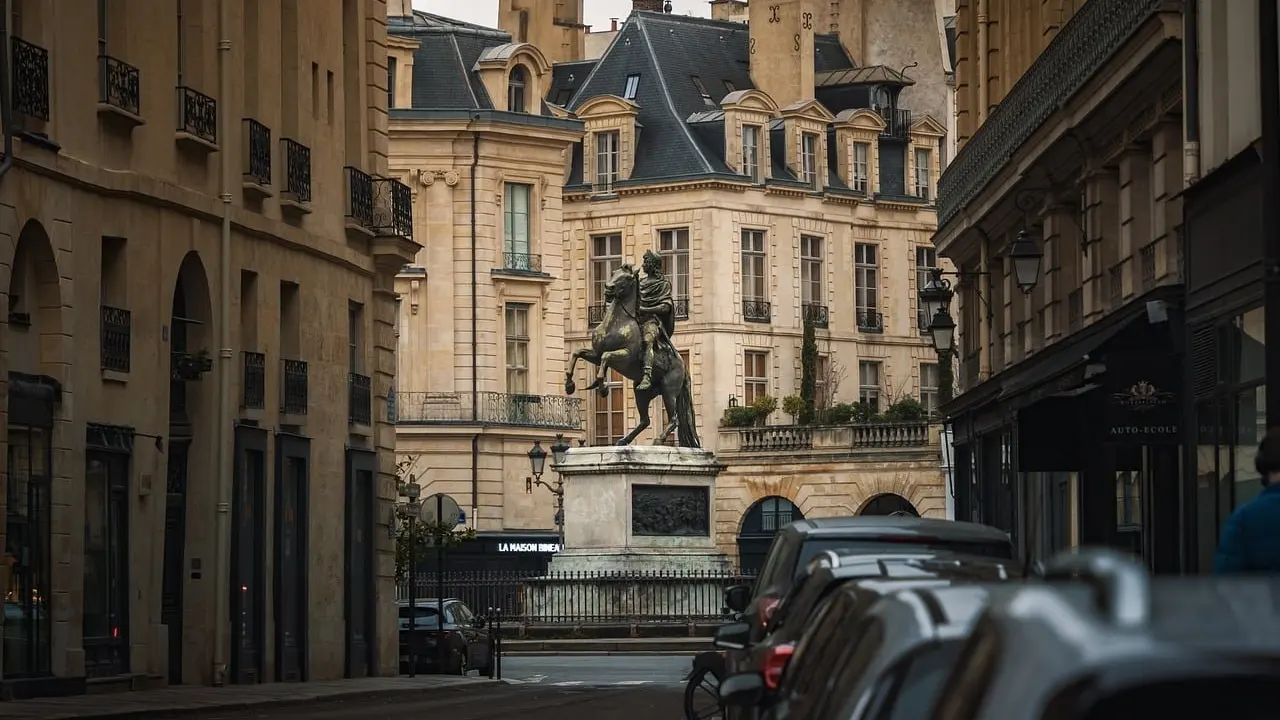
If Paris matters to you, separate labels founded in the city, workshops located in the city and bags only designed there. The three labels below fall into different groups.
Fauvette Paris
According to Maeva with Amour, Fauvette Paris was founded in 2013 by Claire Rischette and works from a boutique-atelier in the 10th arrondissement. Its leathers are sourced from French, Italian and Spanish tanneries, and its clasps are designed by the founder and gilded with 24k gold in Paris. It suits buyers who like a small maison with a visible Paris workshop. The trade-off is that the leather itself is not exclusively French.
Hexagona Paris
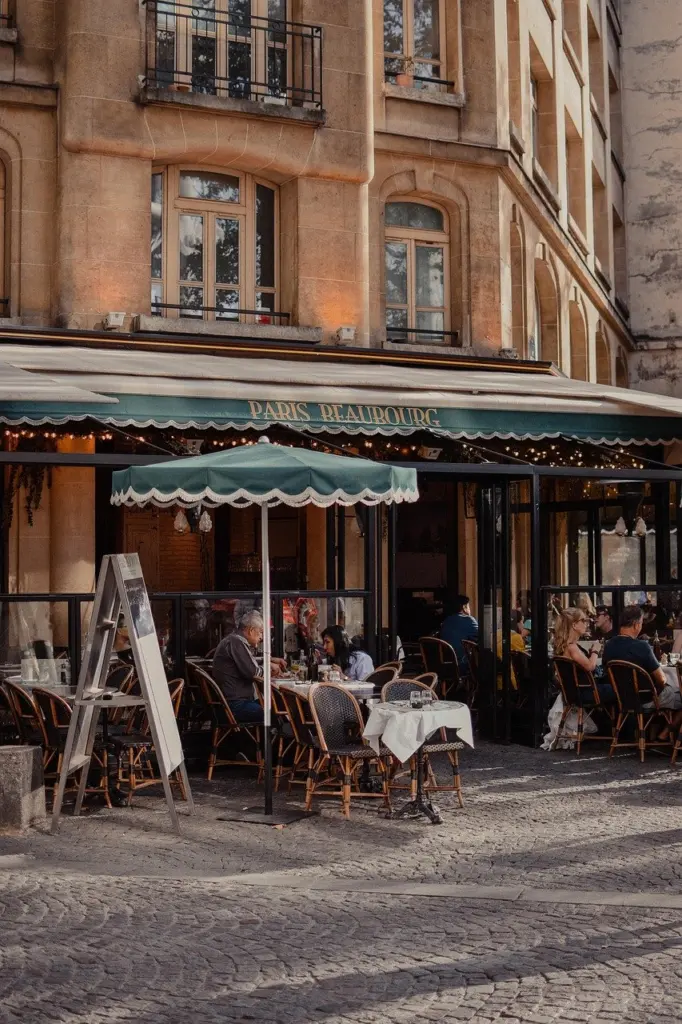
Hexagona was founded in 1996 in the Marais and is described as built on a true family story. It is the most accessible Paris-founded name in this list, and the price level noted in the table above is the reason to consider it. It suits a first French bag or a gift. Expect a simpler proposition than a heritage maison, and judge each model on its materials.
Elleme
Elleme was founded in 2015 by Jingjing Fan and is designed in Paris and made in Italy. Its Boomerang shapes with gold hardware detailing are the closest match here to a structured top-handle bag. It suits buyers who want a Parisian design sensibility in the mid-range and accept Italian manufacture. Tammy & Benjamin follows a similar pattern: its production takes place in long-standing workshops near Florence, Italy, and Alicante, Spain, with LWG Gold-certified leathers.
Hand-finished makers for detail seekers
These brands put craft at the centre of the pitch. They suit buyers who would rather pay for visible construction than for a famous logo.
Bleu de Chauffe
Carryology notes that each Bleu de Chauffe piece is crafted by hand, then dated and signed by the artisan. The signature is a practical advantage: it gives you a named maker and a date to refer to if you ever need repairs or want to check provenance. It suits buyers who like that accountability.
Les Ateliers Auguste and Bonastre
Both are described by Carryology as hand-made brands working with vegetable-tanned leathers; Les Ateliers Auguste is handmade in France, and Bonastre pieces are hand-crafted from premium vegetable-tanned leathers, with designs meant to move from work to the weekend. They suit everyday carriers who want a durable leather and a quiet look. Check the specific model’s leather listing before buying, since a brand-level description does not cover every bag.
Le Feuillet and Louis Quatorze
Le Feuillet was created by two brothers in 2014 and is crafted in France. Louis Quatorze was founded in 1980, which places it between the old maisons and the newest labels. Choose Le Feuillet if you want a recent brand with French production, and Louis Quatorze if you want a name with some history behind it but without the age of Le Tanneur.
Classic shapes and how to carry them
Lancel’s handbag range lists the flap bag, tote bag, hobo bag, bucket bag, clutch and crossbody, which is a fair picture of the shapes a French house still treats as core. Prices below are Lancel’s regular USD listings.
Flap bag
The flap bag is the structured, tidy choice. Lancel’s Ninon small flap bag in black and gold is listed at $720 and the medium at $845. Pick the small size for evenings and light daily loads. Pick the medium if you carry a full day’s belongings. Black with gold hardware is the combination listed, and it pairs easily with most outfits.
Tote bag
The tote is the relaxed option. Lancel’s Jour medium zip tote lists at a regular $735 with a sale price of $512, so it can be worth watching for markdowns. A zip closure is useful if you carry the bag open on public transport. Elleme’s tote pricing is covered in the questions below for comparison.
Top-handle, bucket and crossbody
For a top-handle look, start with Elleme’s Boomerang shapes in gold-detailed hardware. For a softer silhouette, Lancel lists the Premier Flirt small bucket bag at $820. If you would rather keep your hands free, a crossbody is the practical pick, and our guide on how to wear a crossbody bag covers strap length and placement. Whatever the shape, keep the rest of the outfit simple. A scarf is the easy finishing touch, and how to tie a scarf shows several ways to do it.
Judging leather, stitching and finish
A high-quality French leather bag combines a clearly named leather, careful hand work and hardware that is described honestly. The checks below turn the maker details above into decisions.
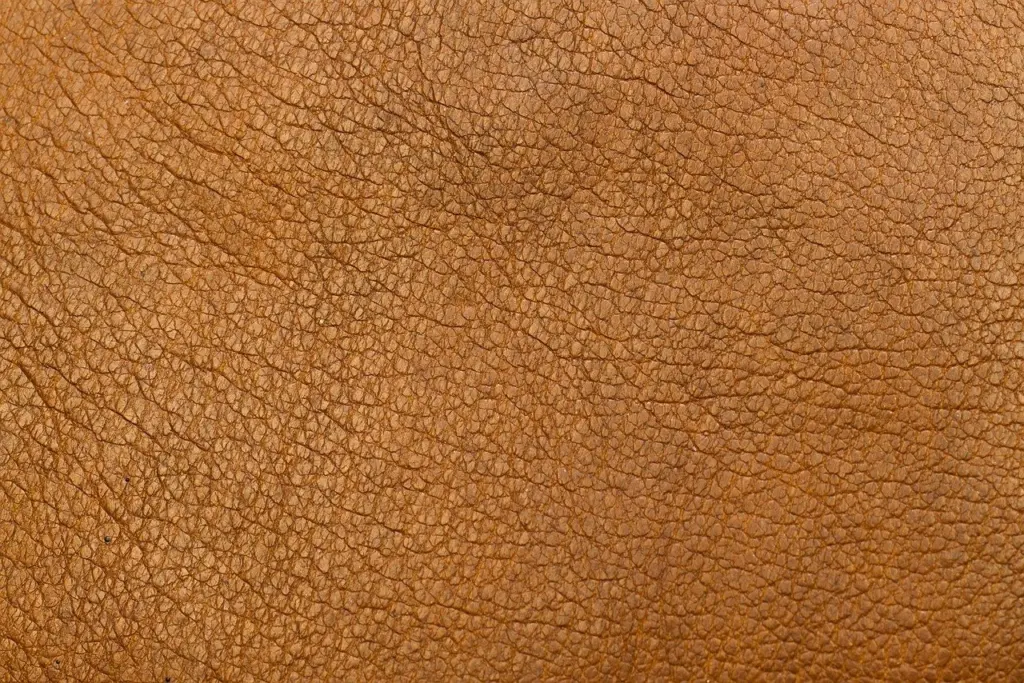
- Leather type. Lancel’s leather options include cowhide, suede, goat and pony-effect leather, so a listing should tell you which one you are buying. Treat the word calfskin leather as a material claim to confirm in the product description rather than a guarantee of quality.
- Tanning method. Leon Flam, Les Ateliers Auguste and Bonastre are all described as using vegetable-tanned leather. That is the finish to look for if you want a durable, natural-feeling material that develops character with use.
- Leather origin. Fauvette names French, Italian and Spanish tanneries. A maker that tells you where its leather comes from is easier to hold to account than one that only says French style.
- Hardware. Fauvette’s 24k gold gilding in Paris is a rare, specific hardware claim. Look for that kind of detail rather than a vague mention of gold tone.
- Traceability. A dated, signed piece from Bleu de Chauffe links one bag to one artisan.
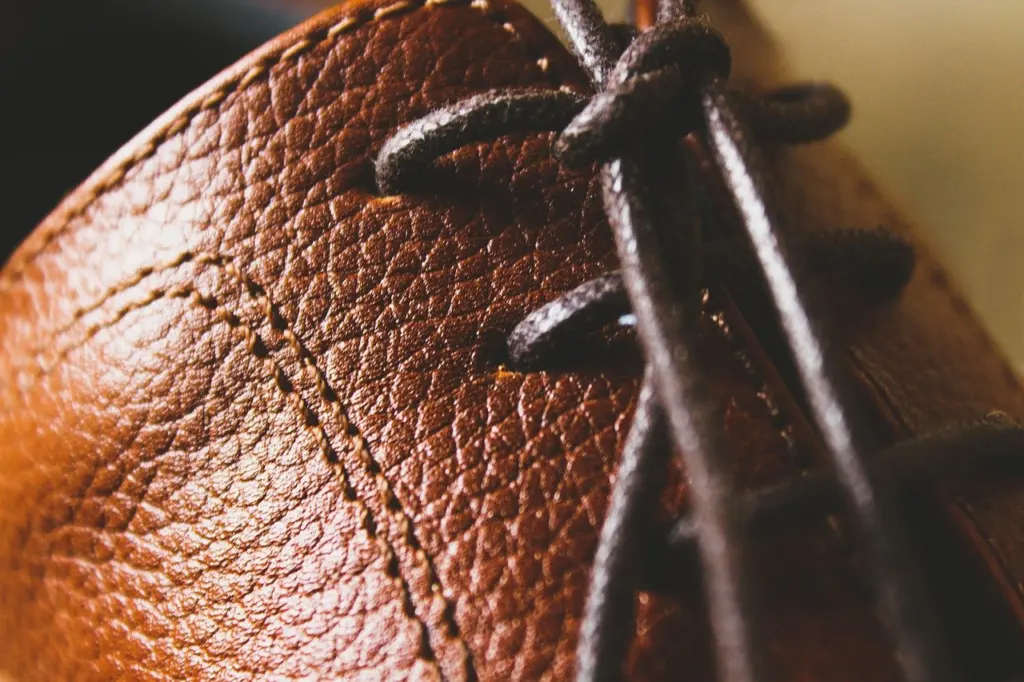
Stitching and edges are quick to inspect in person, and they tell you more than a label does. Saddle-style hand stitching, as in the image above, is the kind of detail to look at closely. Lancel’s own site lists a commitment to the Leather Working Group, and Tammy & Benjamin’s leathers are LWG Gold-certified. Both speak to leather sourcing rather than to how a bag is sewn, so use them alongside your own inspection.

Frequently asked questions
| Question | Answer |
|---|---|
| Does a French handbag brand always mean the bag is made in France? | No. Elleme is designed in Paris and made in Italy, and Leon Flam goods are crafted in France and Portugal. If French production matters, check each bag’s description. Le Feuillet and Les Ateliers Auguste are described as crafted in France. |
| What do French leather bags cost? | It varies widely by label. Most Hexagona models are priced around $200 and below, while Elleme’s cognac leather Courrier tote is €430. Lancel’s regular prices in this guide run from $720 to $845 for flap bags. |
| Does a Leather Working Group mention make a bag better? | It is a sourcing signal for the leather, not a check on stitching or design. Lancel states a commitment to the group on its own site. Use it alongside a hands-on check of the construction. |