| Symptom | First action | Planning use |
|---|---|---|
| Neck feels cold under a coat | Tie a Hidden Knot, with the ends tied under the first loop | Rated medium to high for warmth but advanced, so practise it indoors before relying on it outside. |
| Scarf looks bulky | Wrap the folded scarf twice around the neck and close with a loose double knot | Adds little volume, so the result stays understated. |
| Oversized scarf or cozy wrap overwhelms the outfit | Fold it in half diagonally into a triangle and drape it | The Kerchief Drape gives a deliberately dramatic look. |
| Need a quick everyday knot | Fold lengthwise, loop around the neck and pull the ends through the loop | The Parisian knot has medium warmth and suits most rectangular scarves. |
Warmth ratings come from Hespoke’s scarf knot guide, and the folding and wrapping steps come from the Met Store’s nine-ways guide.
Knowing how to tie a scarf comes down to matching the knot to its length and thickness: fold it lengthwise and pull the ends through the loop for a Parisian knot, wrap a long scarf twice, and drape a blanket scarf as a triangle.
This guide focuses on wool, cashmere and oversized scarves for cold weather. For lightweight neck styling, see how to tie a silk scarf, and for the wider picture of what to wear alongside it, the fashion accessories guide is the place to start.
Matching the knot to length and thickness
Tying guides describe scarf dimensions by shape and handling rather than by tape-measure size. That makes the practical question simple: is your scarf a rectangle you can fold, a long narrow band, or something oversized?
- Rectangular scarf: the Once-Around style works with a rectangular scarf of any material, silk, wool or cashmere, according to the Met Store.
- Long narrow band: the Top Knot starts with the centre of the scarf at the nape of the neck and brings the ends up, finishing with a knot at the top of the head, as described by Johnny Was.
- Oversized scarf or wrap: the Kerchief Drape is the style the Met Store suggests for this, covered in the blanket scarf section below.
Knots also carry established names, which helps when you search for a diagram. The Scarves.net knot library lists the Double Wrap French Knot, Double Wrap Neck Knot, Muffler II, Rosette Wrap, Square Knot and Ascot Wrap. Hespoke also documents the Parisian Knot, Hidden Knot, Once Around & Through, Braid and Sleight of Hand.
Parisian knot step by step
The Parisian knot, also called the French knot, suits anyone who wants a snug, low-effort tie with a medium level of warmth. It needs no special skill, only a scarf that folds easily.
- Fold the scarf lengthwise. The Met Store’s Classic French Knot folds the scarf until it is one thin band, which keeps the finished knot slim.
- Fold it in half and hang it around the neck. The fold forms a loop at one end, with the loose ends hanging at the other.
- Pull the loose ends through the loop. Hespoke describes this as bringing the loose ends through the loop created by folding the scarf in half.
- Pull until snug. Johnny Was gives the same finish: thread the loose ends through the loop and pull until snug.
Check that the loop sits at the front of the neck and the ends hang cleanly before you walk out. If something looks off, use these fixes:
- Knot feels like it is choking you: loosen it by easing the ends back through the loop.
- Knot droops or comes apart: pull the ends through again and tighten until snug.
- Knot looks too thick: undo it and refold the scarf into a thinner band before retying.
You can also use a thin silk or satin scarf for this knot. The Met Store says the Classic French Knot can be done with any silk or satin scarf.
Tying a long scarf
A long scarf is easiest to manage by wrapping it around the neck so the extra length is used up instead of hanging loose. The Met Store’s Knotted Double Loop does this: wrap the folded scarf around the neck twice, then secure it with a loose double knot.
This knot suits anyone who wants a long scarf to look tidy without turning into a heavy collar. The Met Store notes it does not add a lot of volume, so it remains an understated addition. If the scarf looks bunched, loosen the double knot rather than adding another wrap.
For a relaxed finish, the Classic Loop is described by Johnny Was as perfect for layering over sweaters and coats. Let it hang loosely when you want a softer line over your outer layers.
Wearing a blanket scarf without the bulk
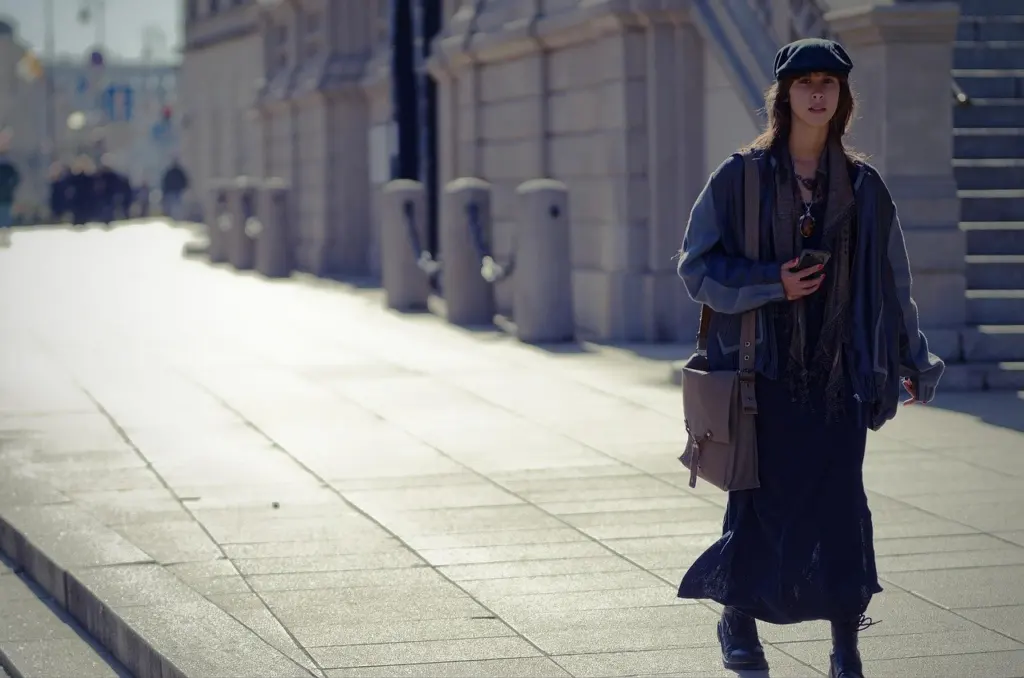
A blanket scarf looks bulky when its full width bunches at the neck, so the aim is to manage the width instead of hiding it. The Met Store recommends the Kerchief Drape for an oversized scarf or a cozy wrap, for a dramatic look.
- Fold the fabric in half diagonally. This creates a triangle.
- Drape the triangle around the shoulders or neck. Keep the point where you want the visible focus.
- Adjust the drape. Let the ends hang or tuck them in, depending on how much volume you want.
If the drama is too much, switch to the Knotted Double Loop, which the Met Store says does not add a lot of volume. If you want the narrowest result, fold the scarf into a thin band first, as in the Classic French Knot.
Fabric: wool, cashmere and silk
The documented knots do not depend on a single fibre. The Once-Around style works with a rectangular scarf in silk, wool or cashmere, while the Classic French Knot is described for silk or satin. That means thickness and softness, not fibre alone, should drive your choice of knot.
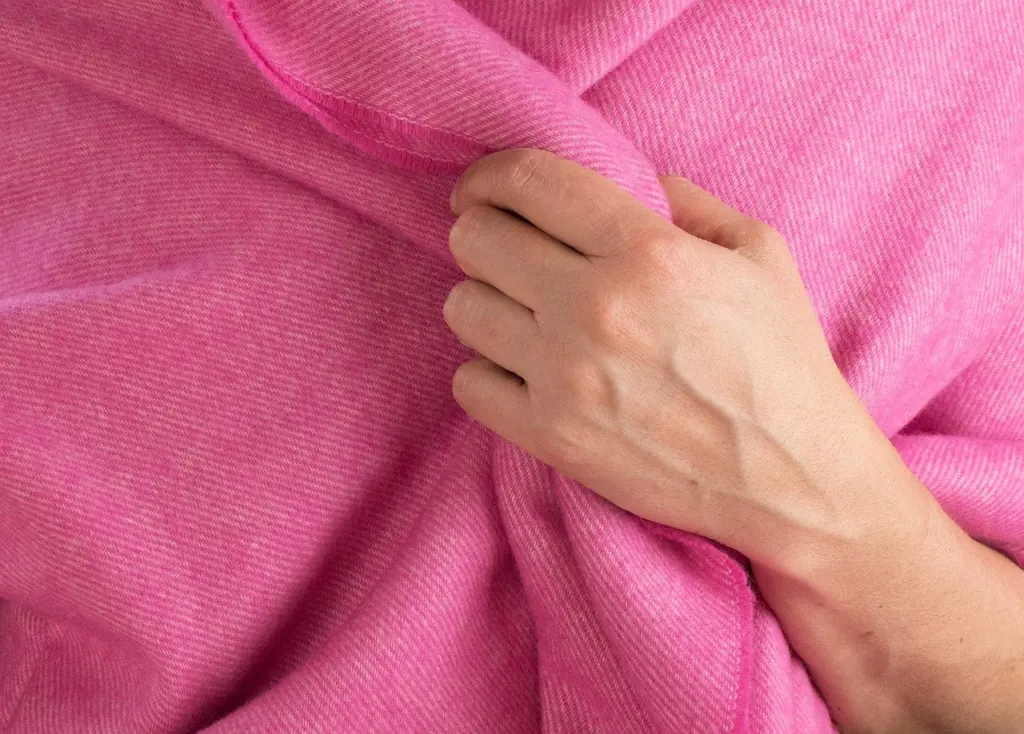
For a fabric that folds easily into a thin band, a Parisian knot is a sensible default. For heavier winter scarves, expect a bulkier result and lean on the double loop or the drape. The author of PermanentStyle’s scarf video guide notes a heavier scarf is often needed in winter, which is where wool and cashmere earn their place. For silk-specific styling, the guide to how to tie a silk scarf goes into more detail.
The warmest ways to tie a scarf in winter
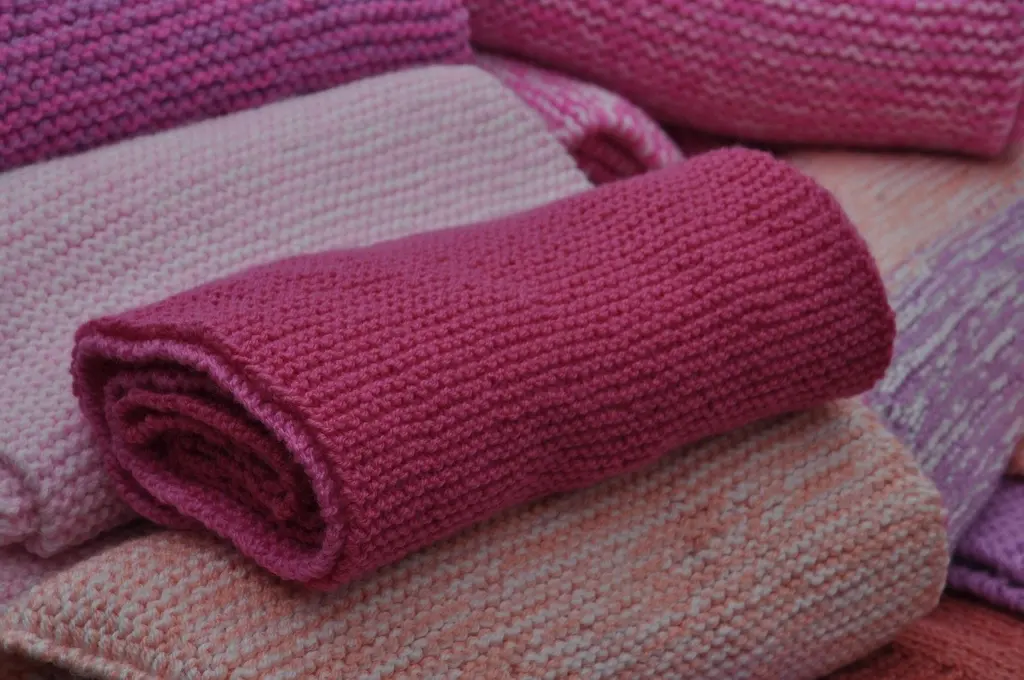
The warmest ties cover more of the neck and take more effort. Hespoke rates its knots on a simple warmth scale, which turns the choice into a trade-off between warmth and difficulty.
- Braid and Sleight of Hand: rated high for warmth, but advanced. Choose these only if you are comfortable with fiddly tying.
- Hidden Knot: medium to high warmth, advanced. The ends are tied under the first loop, which adds coverage.
- Parisian Knot: a little warmer than the Ascot, according to Hespoke, and the best balance of warmth and ease.
- Once Around & Through: rated low for warmth. It is easy, so keep it for milder days.
With a winter coat, the Met Store suggests styling a warm scarf in the Once-Around style with coats and sweaters. A thicker scarf under a coat collar is easier to manage when the knot stays slim, so favour the Parisian knot or the double loop under a closed collar.
Finishing the outfit
Once the scarf sits right, keep the rest of the outfit simple so the knot stays the focus. If a bag is the next piece you are choosing, the guide to french handbag brands covers options that pair easily with a neutral scarf.
Frequently asked questions
| Question | Answer |
|---|---|
| Can I tighten or loosen a Parisian knot after tying it? | Yes. Hespoke describes the tightness of the Parisian Knot as adjustable, so you can ease it for comfort or snug it up against the wind. |
| Which tying styles give almost no warmth? | Hespoke rates the Classic Drape and the Over-the-Shoulder Toss as slight to none for warmth. They are easy but are better for style than for cold weather. |
| What does a wispy scarf mean? | According to PermanentStyle, wispy refers to a quality of scarf, not a size. A wispy scarf can therefore be long or short. |