Fashion seasons explained in short: the industry runs on two main seasons, Spring/Summer (SS) and Autumn/Winter (AW, also written Fall/Winter or FW), shown months before the clothes reach stores, with resort and pre-fall filling the gaps.
A season label names the period the clothes are designed for, not the moment they appear on a runway. This guide decodes the labels, the gap between show dates and store dates, and the in-between collections. For what is actually being shown, see runway trends this season.
SS, S/S, AW and FW: reading the labels
SS and S/S both stand for Spring/Summer. AW, A/W and FW stand for Autumn/Winter or Fall/Winter. Fashion-planning writers use the S/S and A/W shorthand, while design-school writing tends to say Fall/Winter. Autumn/Winter and Fall/Winter are two spellings of the same second season, so a calendar that uses one is describing the same collections as a calendar that uses the other.
The label also tells you something about the clothes themselves, which makes it a quick way to judge what a collection is for.
- Spring/Summer collection: usually brings more breathable, lighter-weight and brighter clothing, according to Rocky Mountain College of Art and Design.
- Autumn/Winter collection: is designed to be warmer and easier to layer, and often uses darker colours.
Treat these as broad design briefs rather than predictions. A season label says what the garments must do, such as breathe or insulate. It does not say which silhouettes, colours or details are in favour that year.
Why collections are shown so far ahead
Designers show spring collections in autumn because the show was built for ordering, not for wearing. In the traditional model, buyers travelled to attend the shows and then placed orders for their stores. Production and delivery had to follow those orders, so the show had to come well before the season the clothes were meant for.
The workload behind each show points the same way. With only two major seasonal launches each year, designers must prepare designs months in advance. By the time a collection walks, its fabrics, colours and shapes were decided long before.
The path from studio to shop floor
- Plan: the design team works out the collection months ahead of the season it is named for.
- Show: the collection is presented during a fashion week, which was originally the point at which buyers saw it.
- Order: buyers place orders for their stores based on what they saw.
- Stock: the clothes arrive in stores later, once orders have been fulfilled.
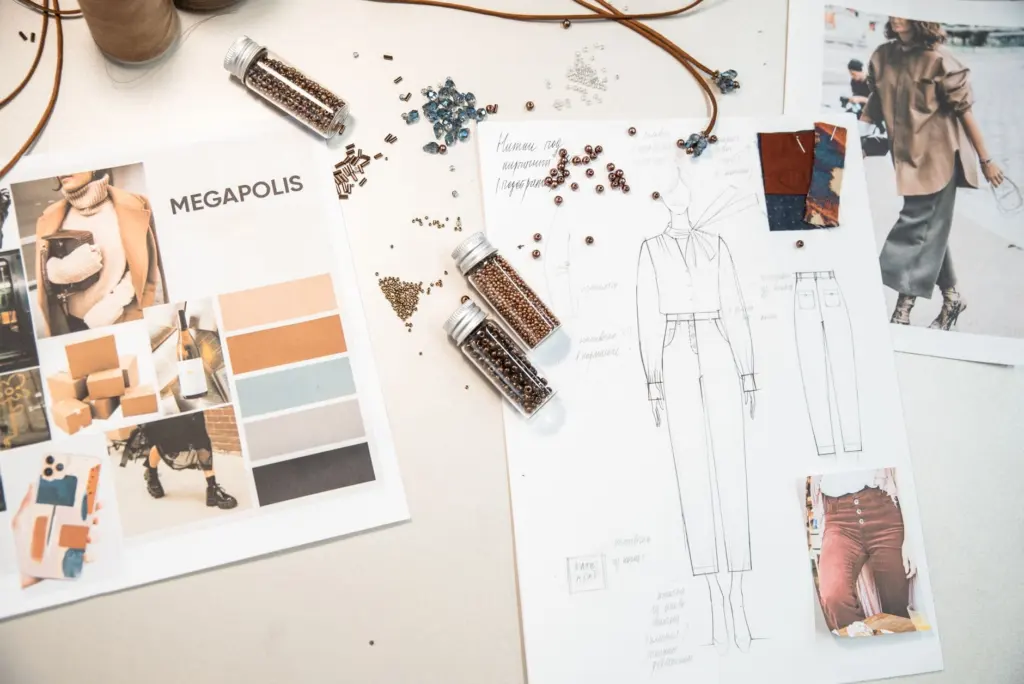
This sequence explains why a runway review is a preview rather than a shopping guide. What you see is what stores may stock later, not what is on their rails now.
Show dates versus store dates
Womenswear shows for Spring/Summer have traditionally taken place around September and October for the following spring and summer. Fall/Winter womenswear collections are typically presented at fashion weeks in February and March. The main seasons are therefore shown in the opposite part of the year from the weather they are designed for.
Paris gives a concrete picture. The same source records the Paris SS27 womenswear calendar as running from 28 September to 6 October 2026, and the Paris FW27 womenswear ready-to-wear collections as presented from 1 to 9 March 2027. Ready-to-wear is the label attached to these seasonal womenswear collections, which are the ones shown at fashion weeks for the coming season.
| Collection | Typical timing | Planning use |
|---|---|---|
| Spring/Summer | Womenswear shows around September and October, for the following spring and summer | Read it as a preview of a season that is still some way off. |
| Fall/Winter | Womenswear shown at fashion weeks in February and March | Use the show as a guide to what the following cold season is built around. |
| Resort (Cruise) | Commonly unveiled around May and June; appears in stores toward the end of the year | Expect it in stores long after its show. |
| Pre-Fall | Products often arrive in stores from May through July | Look for it in stores before the main Fall/Winter collection. |
Timings above follow the Masari seasonal guide, and they describe traditional or typical patterns rather than fixed rules.

When runway looks reach stores
For the main seasons, stores receive the clothes after the show and the ordering that follows it, so there is a gap between seeing a look and being able to buy it. The clearest store windows belong to the in-between collections: Resort pieces begin appearing toward the end of the year, and Pre-Fall products often arrive from May through July. If you want exact show dates for a given week, check when is fashion week before assuming a look is about to be on sale.

Resort, cruise and pre-fall: the in-between collections
Resort and pre-fall collections sit between the two main seasons, so they do not follow the main show cycle. They exist to fill the calendar and to give stores something new between the big deliveries.
Resort and cruise
The Resort collection, also known as Cruise, occupies a distinctive place in the fashion calendar as an in-between collection. Resort collections are commonly unveiled around May and June, often through destination shows or presentations rather than a standard fashion week. They begin appearing in stores toward the end of the year. Resort and Cruise are two names for the same collection, so a brand using either term is describing the same slot in the year.
Pre-fall
Pre-Fall is designed as a bridge between Spring/Summer and Fall/Winter, and its products often arrive in stores from May through July. In practice it gives a brand a first look at the cold season before the main collection is shown. That helps explain why a store can carry autumn-leaning pieces while the weather is still warm.
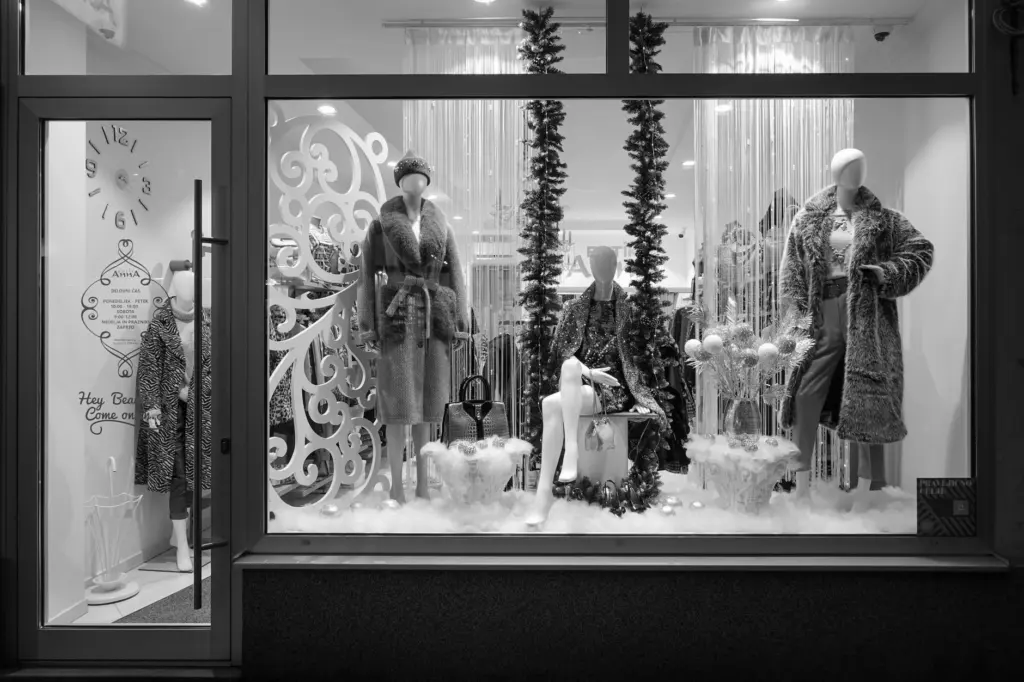
Because these collections are timed for store arrival rather than the main show cycle, they suit shoppers who want to see how a brand is moving between the main seasons.
Using the fashion year in practice
Three questions make any collection easier to place. Ask which season it is designed for, when it was shown, and when it is expected in stores. The label answers the first, the fashion-week dates answer the second, and the in-between collections show that the third can differ widely.
- Judge fabric by the label: an SS collection leans lighter and brighter, and an AW collection leans warmer and easier to layer.
- Do not read show timing as release timing: a collection shown in one part of the year is intended for a later season, and the store date for the main seasons follows the buyers’ orders.
- Watch the in-between months: resort and pre-fall give earlier store windows than the headline shows suggest.
Once the calendar makes sense, reviews are easier to follow. Our guide on how to read a runway collection review shows how critics describe what they have seen, and the label gives you the season to place each description in.
Frequently asked questions
Is pre-fall a full season like Spring/Summer?
No. Pre-fall and similar in-between seasons are short-lived, and they sit between the two main seasons as a bridge.
Does an SS or AW label refer to when clothes are shown or when they are worn?
It refers to the season the clothes are designed for. The show itself comes months earlier, so a Spring/Summer collection is previewed while that season is still ahead.
Were fashion shows meant for shoppers?
Originally they served the trade. Buyers travelled to the shows and then placed orders for their stores.