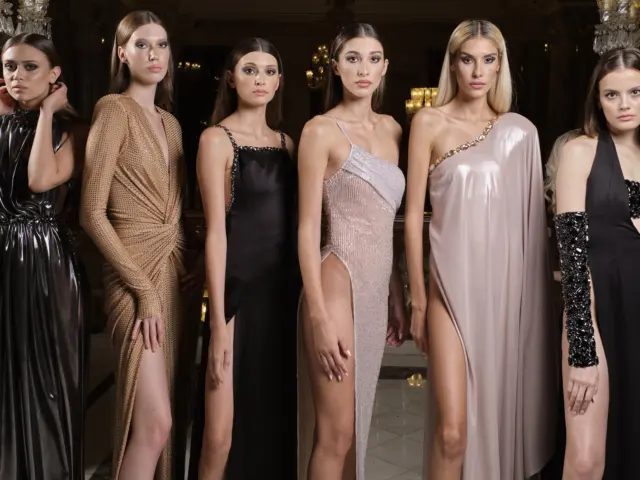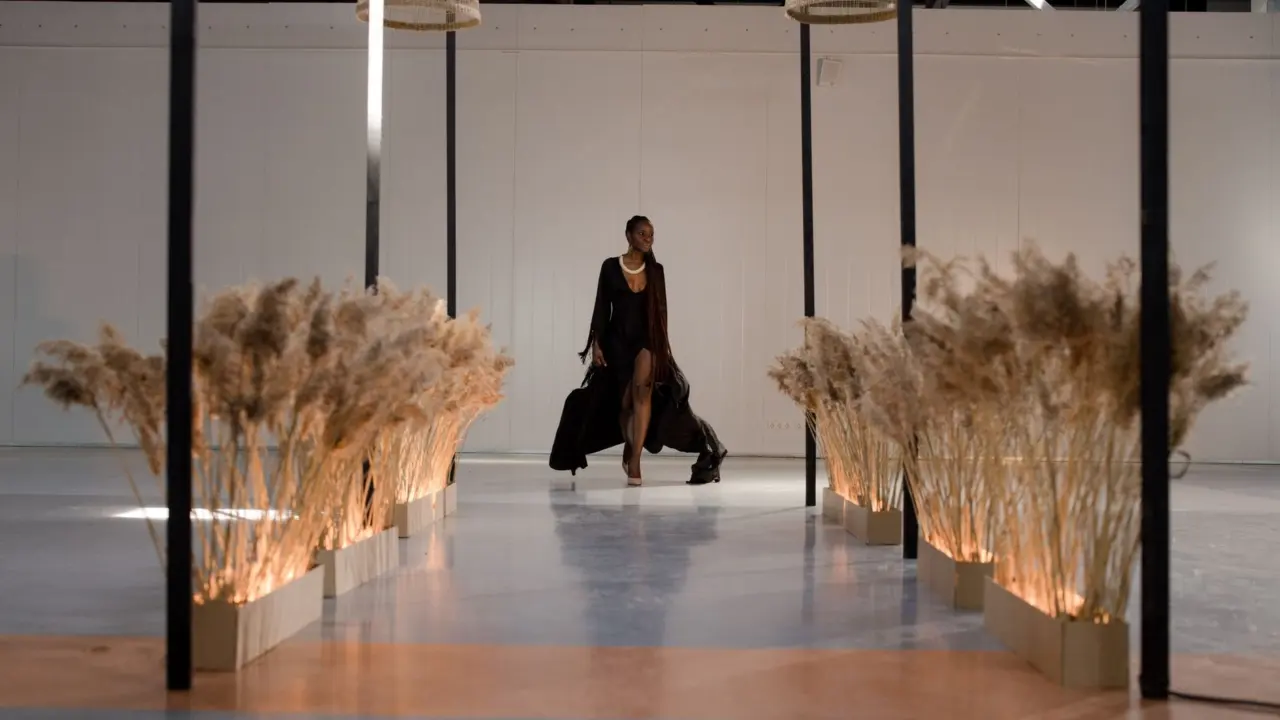
The biggest runway trends this season are softer, layered shapes, red and tonal color stories, and tailoring worn loosely rather than buttoned down. Start with the shape you already own, then add a single color or detail before buying anything new.
Collection labels can be confusing, so read fashion seasons explained first if you need them untangled, and check when is fashion week to see which collections are arriving. The sections below move from choosing a starting point to shapes, colors, tailoring, accessories and the way looks travel from show to wardrobe.
Where to start: match the trend to your wardrobe
Pick the entry point before you pick the trend. A season offers far more ideas than any wardrobe needs, and the useful ones are usually small. Vogue’s round-up of fall 2026 runway trends pairs each trend with a styling trick and describes the runways as filled with subtle yet impactful takeaways. That is the right scale to aim for: a changed collar, an added layer, a shift in color.
- Start with silhouette if your wardrobe is mostly basics. Layering and cropped proportions work with plain pieces, so you can test them without buying anything. The silhouette section below shows which versions recurred.
- Start with color if you already like your cuts. A red or a tonal pink-and-red combination changes the mood of clothes you own, and the color section explains how designers approached it.
- Start with tailoring if you dress for work. Jackets and shirts are where this cycle’s collar and blazer ideas live, and they fit an office day more easily than sheer layering does.
- Start with an accessory if you want the least change. A brooch or a pair of boots alters an outfit without replacing any of it.
- Wait if a look needs a whole new outfit. A trend that only works as a complete head-to-toe purchase is the weakest candidate. Let it show up in more collections before you commit.
A good rule is to begin now with any idea you can try using clothes you already have. The Cut’s guide to styling the spring/summer 2026 runway trends is written in that spirit, pointing to clever styling concepts that can be applied to what is already in a closet. Ideas that demand new pieces can wait for a season when the same shape has appeared repeatedly.
What the season labels mean
Collections are labelled spring/summer or autumn/winter (fall/winter in American usage), and the label names the season the clothes are designed for. It is not a guide to the weather where you live, and it is not a deadline for wearing the ideas.
Two publications show the difference. The Cut titles its guide spring/summer 2026 and shortens the season to SS26 in the text. Vogue’s fall 2026 round-up, by contrast, is pitched at what to try this spring. So a collection label tells you which archive to open, while the wearable idea inside it may suit the weeks you are dressing for right now. Treat the label as a filing system and judge each idea by whether it works with your calendar and your closet.
Use the season archives in whichever order answers your question:
- Warm-season collections. Our spring summer 2025 runway trends page and the ss26 fashion week trends page cover recent spring/summer cycles.
- Cold-season collections. The fall winter 2025 runway trends and fall 2024 fashion week trends pages cover autumn/winter.
- Older comparison points. Reading spring summer 2024 runway trends and spring summer 2013 runway trends beside current ones helps you judge whether a shape is returning or genuinely new.
- Reviews of individual shows. Reviewers use these labels constantly, and how to read a runway collection review explains how to separate a designer’s mood from a wearable instruction.
Silhouette: the shapes that recur
Silhouette is the outline a garment gives the body, and this cycle’s outlines are built by layering and softness rather than by structure alone. The most dependable shapes are the ones that appear at several houses, so this section sorts them by how many collections carried them and how easily they translate.
Layering and transparency
Layering is the clearest silhouette idea. According to Vogue’s fall 2026 trend report, transparent layering was incorporated into the collections at The Row and Miu Miu. At Prada, models shed layers as they walked the runway, revealing new variations underneath. The shared principle is that the outfit has depth and can change as layers come off, rather than being a single fixed shape.
The Cut reports a related proportion for spring/summer 2026: cropped sweaters and tops styled over long undershirts, a look it ties to Jil Sander. Together these point to a layered outline where the hem lengths of the pieces do not match. That is helpful guidance if you own a mix of short and long tops, because the effect comes from stacking what you have rather than from a new purchase.
Softer fabrics and drapey necklines
The Cut also describes a noticeable shift toward softer fabrics this season, making way for drapey V-cut necklines. Softness changes a silhouette more than most people expect, because the fabric hangs and moves instead of holding a set shape. If your closet is built from stiff, structured pieces, a single soft garment is the most direct way to take part in this direction without discarding what you already wear.
Choosing between proportions
Decide by what your existing clothes can support:
- Choose stacked hems if you own long and short tops in plain colors. The layers do the work.
- Choose soft fabric and a V neckline if your wardrobe leans stiff and you want a single change.
- Choose transparent layering only if you are comfortable with a look designed to reveal what is underneath, and plan the base layer carefully.
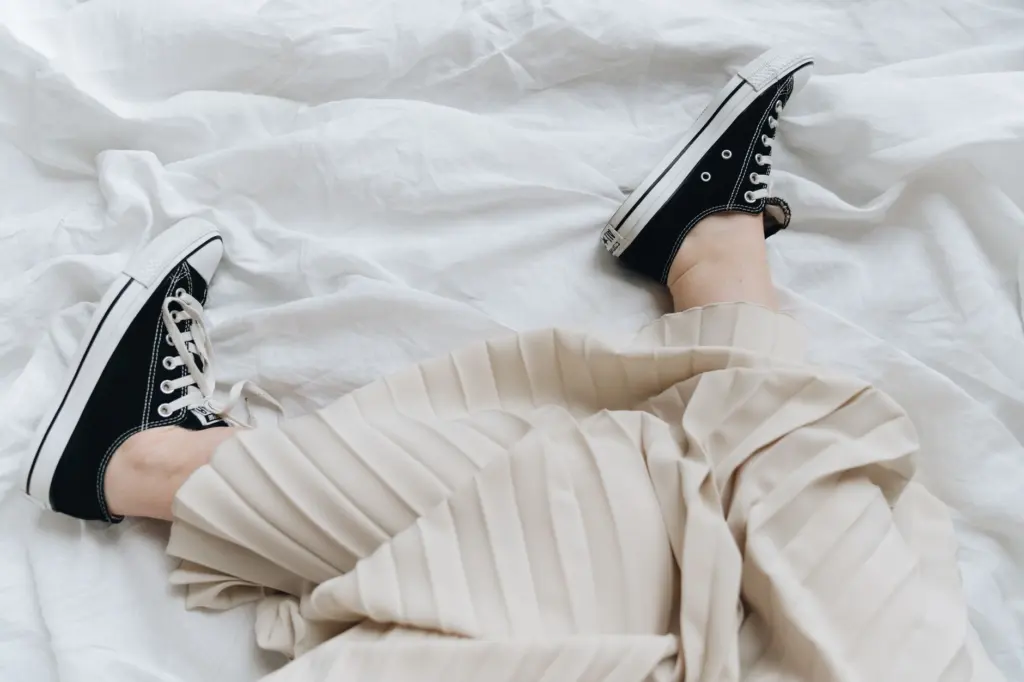
A pleated skirt is a handy example of the soft, moving fabric these shapes depend on, and it pairs readily with casual footwear for daily wear.
Color palette: red, tonal pink and burgundy
Color palette is where this cycle is easiest to read, because red keeps returning. The Cut observes that red was all over the runways again in spring/summer 2026, which makes it the safest single color to adopt: it recurs across collections rather than belonging to one designer.
Vogue notes a more nuanced version in its fall 2026 coverage. At Celine, a tonal story of pink and red offered a modern approach, layering close shades rather than contrasting them. For anyone nervous about wearing a strong color, tonal dressing is the gentler route: you stay within a narrow color family, and the outfit still reads as deliberate.
Vogue also suggests adding a brooch and burgundy accessories for an elevated color story. The point is that color does not have to come from the garment. A deep red-brown accent on a bag or at the lapel carries the same palette idea with far less commitment, and it pairs well with the runway jewelry trends that are most relevant to brooches and small metal details.
- Red as a main color suits you if you want the trend to be visible and your wardrobe is otherwise neutral.
- Tonal pink and red suits you if you like layered outfits and want depth without contrast.
- Burgundy accents suit you if you prefer to keep your clothes unchanged and let accessories carry the color.
Whichever you choose, keep the rest of the outfit quiet. A color story reads best when one idea leads and the supporting pieces stay plain.

Tailoring and collars
Tailoring in this cycle is deliberately relaxed at the edges. Vogue’s fall 2026 report points to collars that were casually half-tucked and slightly askew at Bottega Veneta and Loewe. The idea is simple and costs nothing: a crisp shirt worn with a little disorder reads as current, while the same shirt pressed flat and fully tucked reads as the previous cycle.
Structure still has a place. The same Vogue report cites Dior’s fall 2026 show for a cropped blazer styled with a peplum top. The cropped jacket and the flared hem of the top create a deliberate change of proportion at the waist, which is a more demanding shape than the collar trick. It suits you if you enjoy dressing with defined shapes, and it is less obvious for people who prefer a uniform line from shoulder to hem.
- Try the collar first. It needs only a shirt you already own and takes seconds to reverse if you dislike it.
- Try the cropped blazer second. It works best over a top with some volume at the hem, as the Dior styling suggests.
- Look at full suiting last. A matched jacket and trousers is the largest commitment, and our guide to women’s suit trends goes into the cut, proportion and styling decisions in more detail.
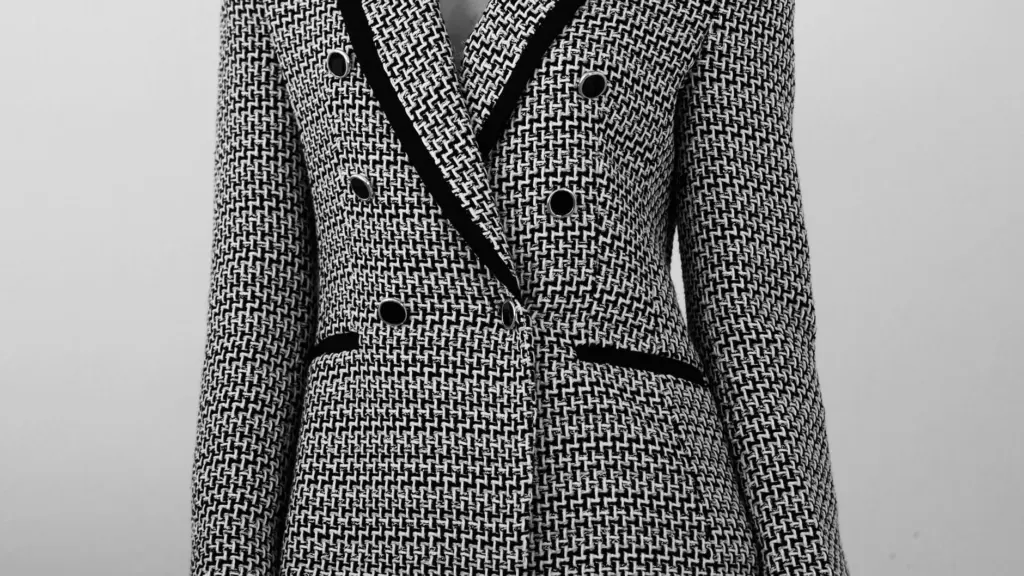
A textured jacket, such as the double-breasted tweed in the photo below, is the kind of piece that carries a tailored look into colder months, where structure and warmth overlap.
Shoes, bags and jewelry
Accessories give you the quickest way to follow a season without altering your clothes. For shoes, Elle’s trend coverage names pointed-toe boots as autumn’s most polished shoe trend. The word polished is the clue to when they suit you: they sharpen an outfit that is otherwise relaxed, which fits the loose collars and soft layers described above. Our page on shoe trends this season compares the wider range of footwear options.
Bags are a different decision because of cost. Vogue’s styling feature lists the Bottega Veneta 1998 bag at $5,900, a reminder that a runway-adjacent bag can be a major purchase rather than a casual add-on. Before buying one, ask whether the shape and color would still suit your wardrobe after the trend moves on. If the answer is uncertain, a jewelry or small-accessory route is the more flexible way in, such as the brooch and burgundy accessories mentioned in the color section.
- Boots suit you if you want to sharpen existing outfits and you are buying for the colder months.
- A bag suits you if you want a long-term piece and have decided that its shape matches how you actually carry things.
- A brooch or small accent suits you if you want the season’s mood in a single detail.
What recurs across collections
Repetition is the most reliable trend signal. When separate designers arrive at the same idea in the same season, the idea is far more likely to feel current than a look from a single show. This is the practical advantage of reading across collections instead of picking a favorite house.
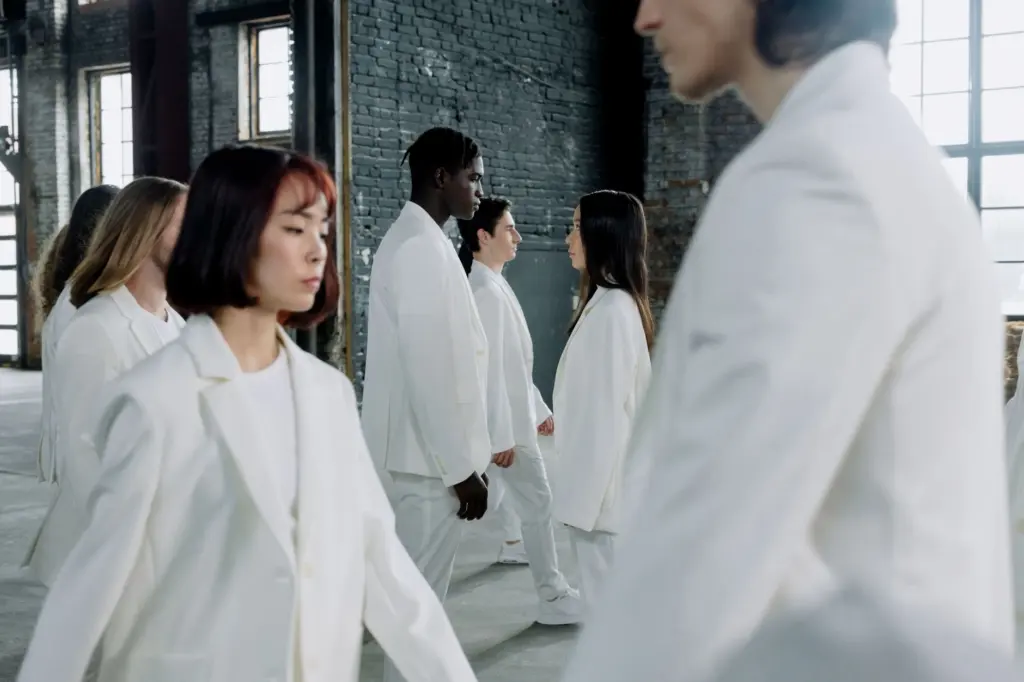
The table collects the themes already discussed and shows how far each one spread, so you can weigh effort against how widely the idea appeared.
| Theme | Where it appeared | Planning use |
|---|---|---|
| Half-tucked, askew collars | Bottega Veneta and Loewe, fall 2026 | Try now with a shirt you own; no purchase needed. |
| Transparent layering | The Row and Miu Miu, fall 2026 | Plan the base layer first; best for confident wearers. |
| Shedding layers | Prada, fall 2026 | Treat as a styling attitude: build outfits that work with layers on and off. |
| Cropped tops over long undershirts | Jil Sander, SS26 | Stack existing short and long tops. |
| Red | Across SS26 runways | The safest color to adopt, as it spread widely. |
| Tonal pink and red | Celine, fall 2026 | Use if you want color with little contrast. |
These themes come from Vogue’s fall 2026 runway styling report and The Cut’s spring/summer 2026 styling guide.
Use the table as a filter. Ideas that appear at multiple houses, such as the collar treatment or transparent layering, are stronger bets than one-house moments. For a city-specific lens on the same material, paris fashion week trends narrows the view to a single fashion week.
How runway trends reach stores
Runways are one input into what ends up in shops, not the only starting point. Printful’s trend analysis says trends emerge from search behavior, creator culture and real purchasing signals, and that platforms such as Pinterest Predicts and viral videos surface fashion trends 12-18 months ahead. The practical reading is that a look can be gathering momentum well before it appears on a catwalk, and a catwalk showing can reinforce it rather than create it.
That changes how you should treat a runway report. A single dramatic show is a poor guide to what shops will carry, whereas an idea that appears across several collections and also matches what people are already searching for and buying is far more likely to become widely available. Our explainer on how do runway trends become mainstream follows that path in more detail.
- Watch for repetition. The same shape at several houses is the strongest sign an idea will spread.
- Watch the street. Photographs outside shows and creator posts show which looks people actually adopt.
- Be patient with extreme looks. Transparent or experimental pieces may stay a runway statement while the quieter ideas around them, such as the collar treatment, are easier to buy and wear.
Trying a trend at home before you commit
The lowest-risk way to test a runway idea is in front of your own mirror. The Cut’s advice for a drapey V neckline is a good example: leave the buttons of a shirt undone and add a bralette underneath. It uses a shirt you already own and costs nothing to try, and you can see within a minute whether the shape flatters you.
Apply the same logic to other looks. A collar can be loosened, a layer added or removed, a blazer cropped in the sense of pairing it with a longer top. If the result feels forced, the idea is not for you this season, and you have lost nothing. If it feels natural, repeat it and then consider whether a purchase would extend it. Our guide to how to wear runway trends in real life carries this approach into everyday outfits.
When to skip a look
- Skip it if it needs a full purchase. If you cannot approximate the idea from clothes you own, wait for it to recur.
- Skip it if it clashes with your day. Sheer layering and exaggerated proportions suit some settings far better than others, and a look you cannot wear is wasted money.
- Skip it if it only appeared once. A one-house idea is a designer’s statement, not yet a trend.
The same conclusion runs through every section above: choose the smallest version of a trend that still feels recognizably like the season, and expand only when it earns its place in your wardrobe.
Frequently asked questions
Do I need to buy new clothes to follow this season’s trends?
No. The Cut frames its spring/summer 2026 trends as ideas that can be styled from a closet you already have, and several looks, such as loosened collars and stacked layers, need only existing pieces.
Which trend is easiest to try first?
The half-tucked, slightly askew collar seen at Bottega Veneta and Loewe is the simplest, because it only needs a shirt you already own and can be undone in seconds.
Is red really the color of the season?
Red is the most repeated color in the supplied coverage: The Cut says it was all over the runways again for spring/summer 2026, and Vogue notes a tonal pink and red story at Celine for fall 2026.
Does a runway show decide what shops sell?
Not on its own. Printful describes trends as emerging from search behavior, creator culture and purchasing signals, with platforms surfacing some trends 12-18 months ahead, so runways are one influence among several.