| Accessory | Styles and options named | Planning use |
|---|---|---|
| Bags | Purses, shoulder bags, crossbody bags, satchels, totes, clutches, backpacks, wristlets, belt bags | Choose the shape by what you carry and where you go. Keep one neutral everyday bag and add a bolder piece for occasions. |
| Jewelry | Necklaces, rings, earrings, bracelets, watches | Pick one focal piece per outfit. Spend on timeless shapes and treat trend pieces as optional. |
| Scarves | Handmade silk, or woven in a bold print | Use it in the hair, around the neck or tied to a bag, depending on how much colour the outfit needs. |
| Belts | Skinny, embossed, rhinestone, corset | Judge material, colour and buckle style, then match the shoes. Wear over a dress or blouse for definition. |
| Classic extras | Cufflinks, a classic wristwatch | Buy select timeless pieces rather than many trend-led ones. |
Figures and lists above follow the accessory guides from Dressbarn and Adesso Man.
This fashion accessories guide helps you choose pieces that last. Judge each accessory by its material and construction first, then style it so one statement piece leads and the rest stay quiet.
If you already know what you want to style, how to accessorize an outfit works through the finishing steps on a plain base. The sections below cover the choices that come before styling: which categories deserve your budget, and what to inspect before you buy.
Where to start with accessories
Start with the accessory that changes your outfits most often, which for most people is the bag or the jewelry. Dressbarn sorts the field into nine general types: bags, shoes, jewelry, hats, hair accessories, belts, eyewear, scarves and seasonal pieces. That list is useful because it shows how wide the choice is, and how little of it you need to own at once.
If your wardrobe is mostly plain
A plain wardrobe gains most from one accessory with colour, texture or a distinctive shape. A scarf is the lowest-commitment way to add colour. A belt adds structure. A bag with a clear silhouette gives the outfit a point of focus. Choose the one that matches the gap, not the one that is most fashionable this season.
If you want pieces that last
Durability comes from material and construction, so shop with a short inspection routine. For leather goods, look at the surface, the edges, the stitching and the hardware. For jewelry, look at the clasp, the fastenings and what the metal actually is. For silk, look at the hem and the feel of the fabric. Each of these is covered in the sections that follow, and the common thread is simple: a piece you can examine closely tells you far more than a product photo does.
If you are dressing a designer outfit
Designer pieces already carry their own detail, so the accessories should support rather than compete. The final section of this guide sets out which accessories finish a designer outfit and how to choose between them.
Handbags: shape, leather and construction
A handbag is the accessory that works hardest and wears fastest, so it rewards the most careful buying. Decide the shape by how you live, then judge the leather and construction on the specific bag in front of you.
Choosing a handbag style
Dressbarn lists the common handbag styles as purses, shoulder bags, crossbody bags, satchels, totes, clutches, backpacks, wristlets and belt bags. Each suits a different day, and the useful question is how much you need to carry and whether your hands need to stay free.
- Crossbody bags suit errands and travel days because they sit against the body and leave both hands free. How to wear a crossbody bag covers strap length and how to keep the line of an outfit clean.
- Totes suit people who carry a lot. Dressbarn pairs a woven tote with summer, which makes it a seasonal choice rather than a year-round one.
- Clutches suit evenings. Dressbarn suggests a bold clutch to match understated eveningwear, which is a sound rule: let the bag carry the colour when the dress is quiet.
- Satchels and shoulder bags sit between the two and tend to hold structure, so they suit work and city days.
- Wristlets and belt bags are for travelling light and are better treated as second bags than as your only one.
For a fuller comparison of silhouettes, see the types of handbags guide. If you want a Paris-leaning shortlist, French handbag brands looks at the houses and the classic shapes.
Judging leather and stitching
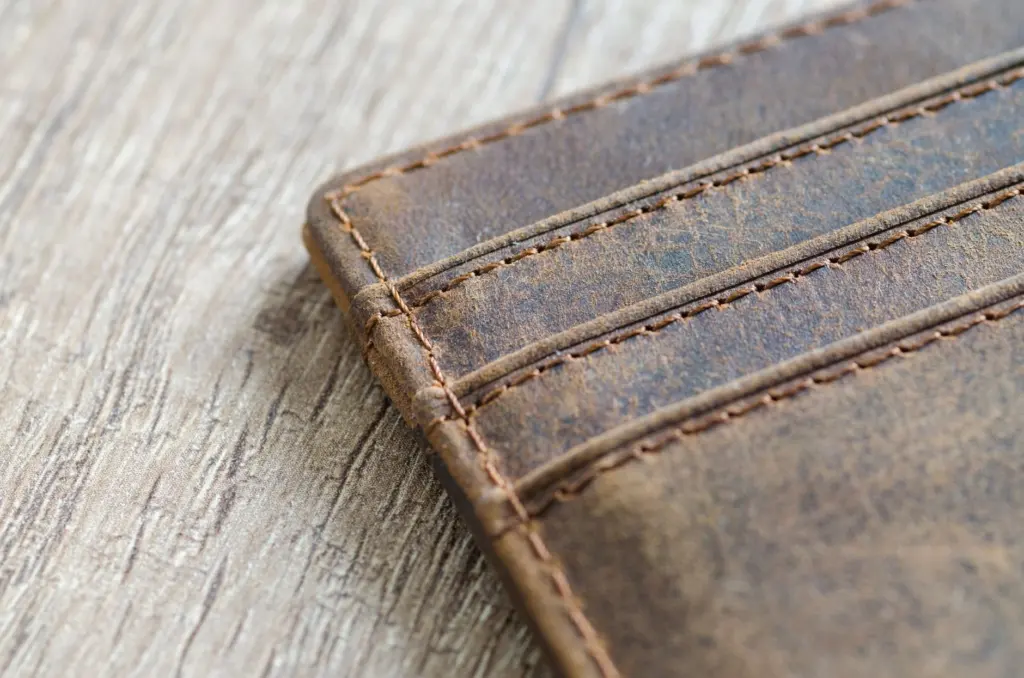
Leather is the material to examine most closely, because its finish, edges and seams show the quality of the work. Look at the stitching along the edges and the handle joins. It should be even, with consistent spacing and no loose or doubled-back threads. Turn the bag over and check the underside and corners, where wear shows first. A bag that looks tidy only from the front is telling you something.
Also run a hand over the leather. A surface that feels natural and has some variation is a normal sign of real hide, while an unusually uniform, plastic-feeling finish deserves a question to the seller about what the material is. Ask directly rather than relying on a label’s wording.
Matching the bag to the outfit
Dressbarn frames the handbag as a statement piece matched to the occasion: a bold clutch for understated eveningwear, a neutral crossbody for errands, a woven tote for summer. The practical lesson is to own a neutral bag that goes with most things, then add colour or texture only where you know it will be used. A neutral leather bag in good condition will outlast several trend-led purchases.
Jewelry: earrings, rings, necklaces and fine pieces
Dressbarn names the main jewelry types as necklaces, rings, earrings, bracelets and watches. The simplest rule is to choose one place for emphasis and let the others recede. Statement earrings and a heavy necklace compete for the same area, so pick one.
Earrings and neckline
Earrings frame the face, so their shape should relate to the neckline and hairstyle. A bold drop earring can look best with a plain, high neckline and hair worn back, where nothing hides it. With a detailed collar or a necklace, smaller studs or small hoops keep the look balanced. The types of earrings guide explains how studs, hoops and drops differ in effect.
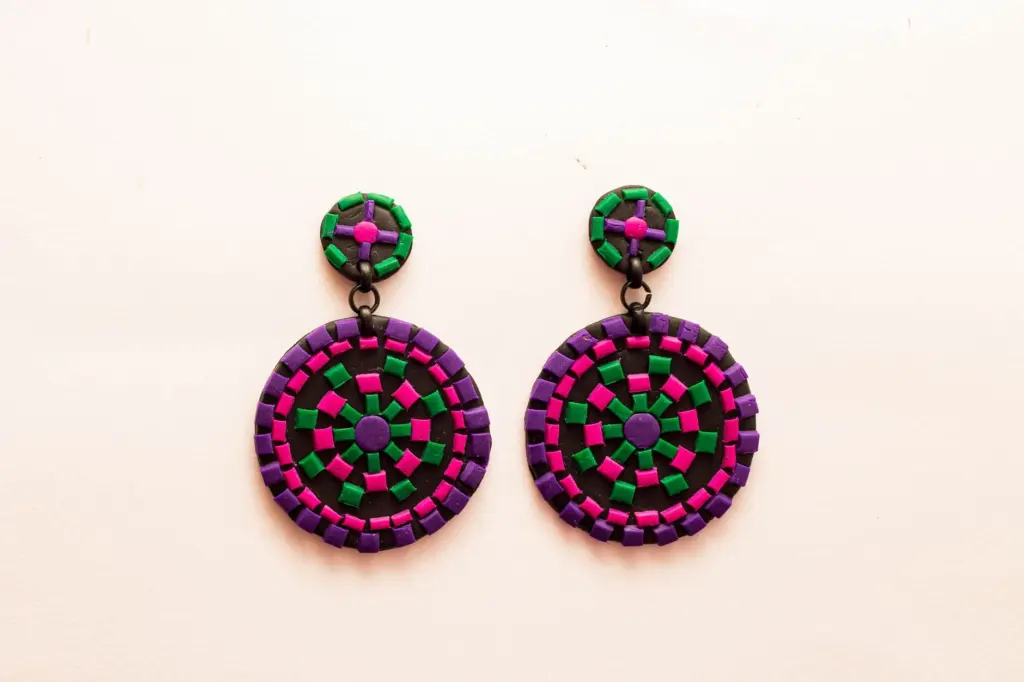
Before buying, look at how the earring attaches and how it hangs. A heavy drop on a delicate fastening is a practical risk, and a pair that feels comfortable in the hand will be the pair you wear.
Rings
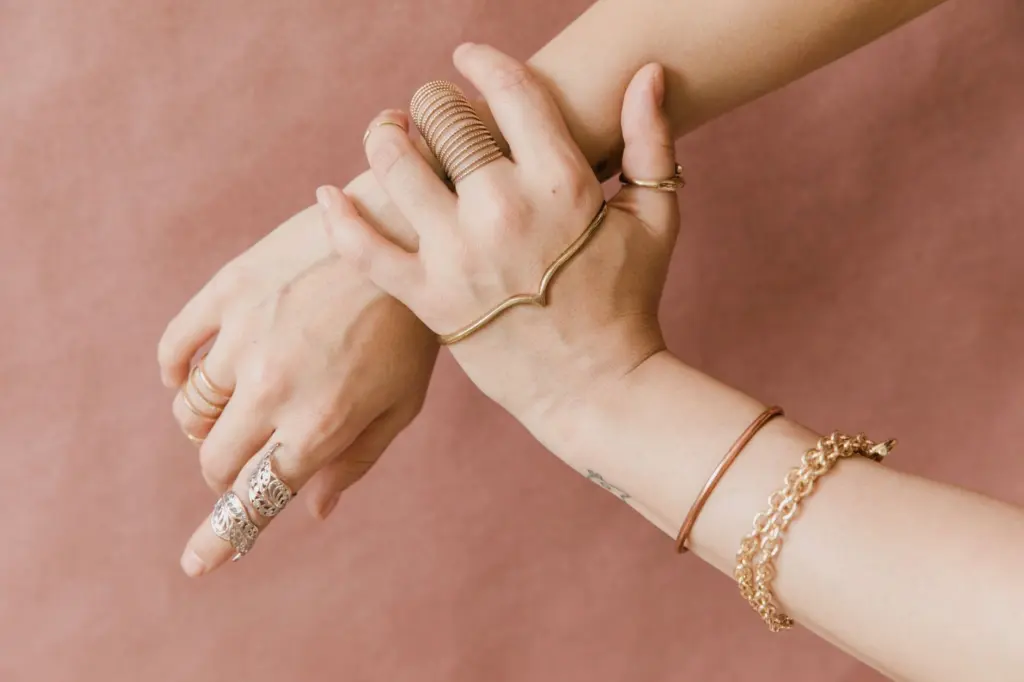
Rings work as a single strong piece or as a deliberate group. When you wear several, vary the texture and thickness rather than matching them exactly, so the group looks collected rather than uniform. A thick coiled band beside a plain thin one reads as intentional. Comfort matters too: if rings catch on each other or on clothing, edit the group down. The detailed method is in how to stack rings.
Necklaces
A necklace changes the effect of a neckline more than any other piece. Fine chains of different lengths can be worn together, as how to layer necklaces shows, while a single pendant needs space and a plain neckline. To fit a chain to a neckline, use the necklace length guide.
Fine jewelry and timeless choices
Fine jewelry is where buying slowly pays off. Adesso Man advises investing in select timeless pieces, naming cufflinks and a classic wristwatch as examples. The principle carries over to any fine jewelry: choose simple, long-lived shapes and buy fewer of them. A trend-led design can date quickly, while a plain chain, a pair of studs or a classic watch stays in use.
With fine pieces, ask what the metal is and how that is documented, and expect a clear answer. Good fastenings and a tidy finish matter as much as the stone or metal. Once you own pieces worth keeping, how to store jewelry covers keeping them in good condition. For a vintage or heirloom touch, how to wear a brooch shows a way to use a small piece with a lot of character.
Scarves and bandanas
A scarf is the cheapest way to change an outfit and the most flexible accessory in this guide. Dressbarn recommends choosing a handmade silk scarf or a woven scarf in a bold print, and the two behave differently. Silk drapes and takes a neat knot. A woven scarf has more body and suits colder days.
How to style a silk scarf
A silk scarf can be worn in the hair, around the neck or tied to a bag, according to Dressbarn. Each placement does something different.
- Around the neck gives colour near the face, so choose a print that suits your skin tone and the neckline beneath it. Basic knots are shown in how to tie a scarf, and the Parisian approach is in how to tie a silk scarf.
- In the hair works best when the rest of the outfit is simple, because a patterned scarf near the face already draws attention.
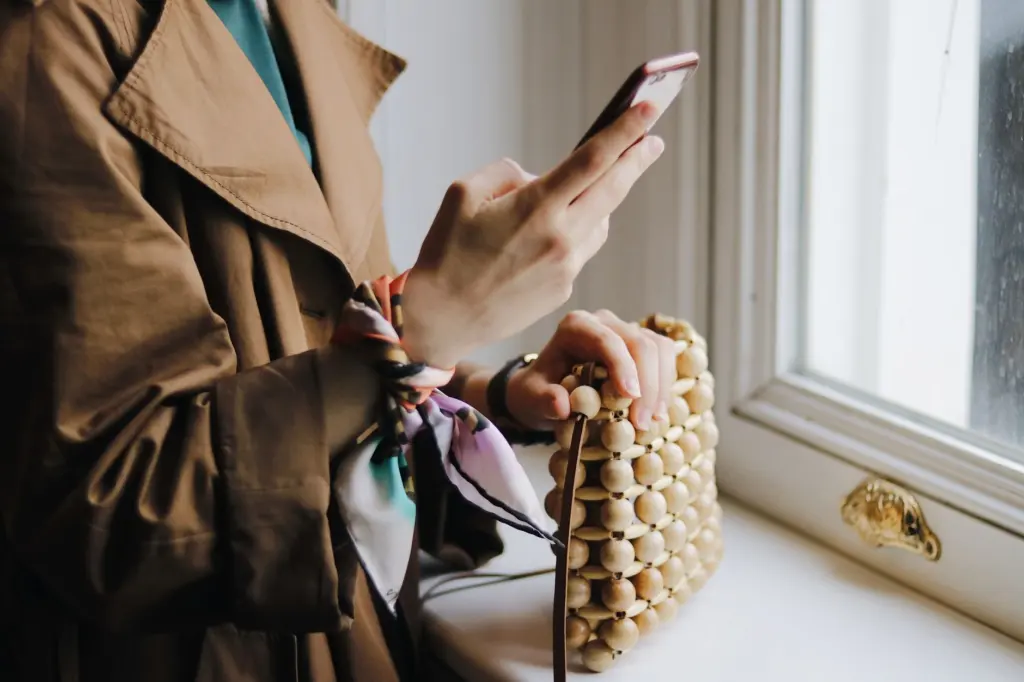
- Tied to a bag is the lowest-risk option. It adds a pop of colour without touching the outfit, and it suits a neutral bag that needs lifting.
Choose silk by the look of the print and the feel of the hem, and keep a scarf’s colours in the same family as the clothes under it. If the fabric is unfamiliar, types of scarves explains how fabric changes drape and warmth.
Bandanas
A bandana is a casual relative of the silk scarf and suits relaxed outfits better than tailored ones. It can sit at the neck or in the hair, and how to wear a bandana gives the folds and ties step by step.
Belts: material, colour and buckle
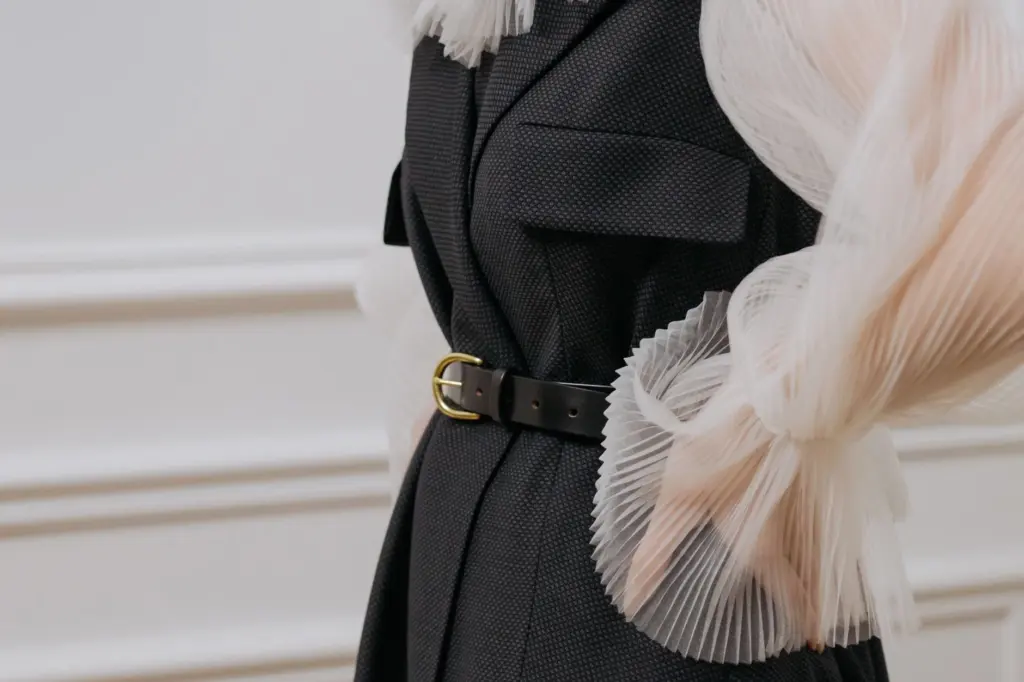
A belt is both functional and decorative, which makes it easy to choose badly. Adesso Man’s advice is to consider material, colour and buckle style when selecting a belt, and to match it to the shoes. That is a practical three-part check, and it works for any outfit.
Reading the belt
- Material. Leather suits tailoring and ages well when the edges and holes are cleanly finished. Check that the leather does not crack or peel along the fold at the buckle, since that is where a belt works hardest.
- Colour. A belt that matches the shoes reads as deliberate. Black with black and brown with brown remains the simple default.
- Buckle. A plain buckle suits trousers and everyday dress. A decorative or rhinestone buckle is a feature in itself, so keep the rest of the outfit simple.
Dressbarn names skinny, embossed, rhinestone and corset belts as popular styles. A skinny belt is the most adaptable. A corset belt reshapes the waist and works over looser layers, and an embossed belt adds texture to plain clothing. The types of belts guide compares them in more depth.
Wearing a belt over a dress or blouse
Dressbarn suggests wearing a belt over a dress or blouse to add fashionable flair. It defines the waist on loose garments and breaks up a long line of colour. One rule from Adesso Man is easy to remember: never wear a belt and suspenders at the same time.
Hardware and finishing
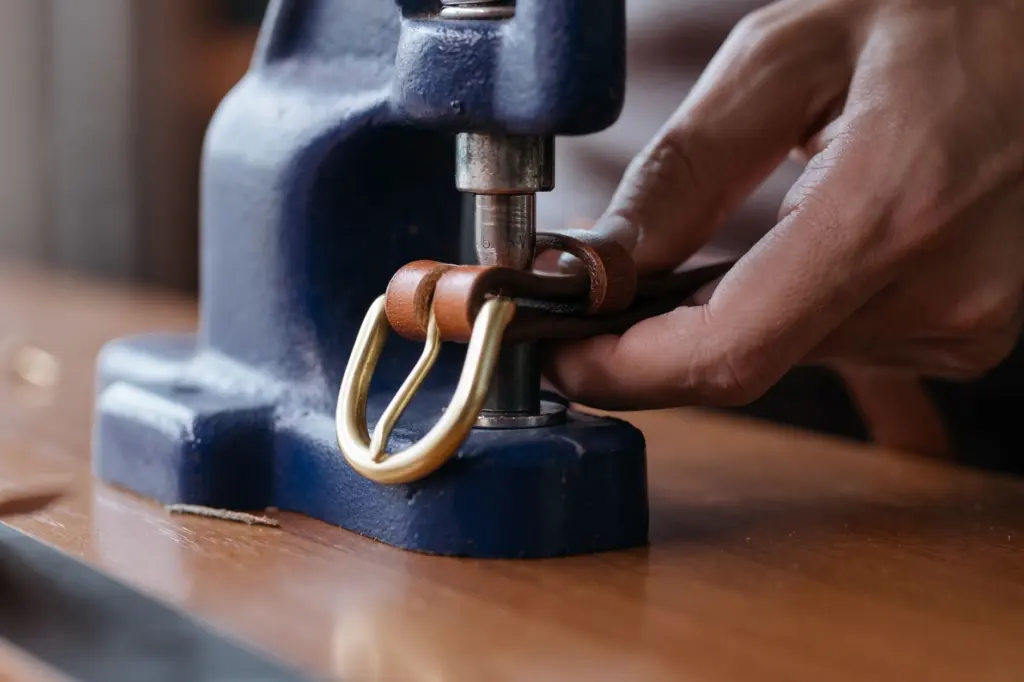
The buckle and the fixings tell you most about how a belt was made. Look for hardware that is firmly attached, with a clean finish and no rough edges where metal meets leather.
The same inspection applies to bag straps, rings and clasps. Squeeze, tug gently and check that nothing moves or sharp edges are exposed. Hardware that is badly attached is usually the first part to fail, and it is easy to check in a shop.
Which accessories finish a designer outfit
For a designer outfit, finish with one bag or one piece of jewelry and keep everything else restrained. The garment already carries the design, so the accessories should extend it rather than repeat it. Three choices do most of the work.
- A bag that suits the occasion. Use the neutral-for-daytime, bold-for-evening logic from Dressbarn. A clutch in a strong colour can lift a restrained dress without changing it.
- A belt, where the cut allows. A well-made belt in the right material and colour defines the waist on a loose designer dress or blouse and links the outfit to the shoes.
- Timeless jewelry. Fine pieces of the classic kind, such as a simple chain or a good watch, sit well with designer clothes because they do not compete. A statement earring is the exception: wear it only if the neckline and necklace leave room for it.
A silk scarf is a good fourth option when the outfit is plain. Tied to the bag, it adds a small repeat of colour and makes the look feel planned. When the garment has a strong print, skip the scarf and let the clothes speak. If you are unsure, remove one accessory before leaving: an outfit with one fewer piece rarely looks worse.
Building a collection that lasts
Buy in this order: a neutral leather bag, a belt that matches your most-worn shoes, one pair of timeless earrings or a classic watch, and a silk scarf in colours you actually wear. These four pieces cover most outfits, and each rewards the construction checks above.
Spend more on items that are handled constantly, such as bags and belts, and less on items that follow trends. Fine jewelry belongs with the first group when the design is classic and with the second when it is not. Before any purchase, ask whether you can name three outfits it would go with. If you cannot, the piece is probably decoration for the shop window rather than something you will use.
Frequently asked questions
Which accessories finish a designer outfit?
A bag matched to the occasion, a well-made belt, and timeless jewelry finish most designer outfits. Keep one piece as the focus and let the others stay quiet.
How do you style a silk scarf?
Wear it in the hair, around the neck, or tied to a bag. Tying it to a bag is the easiest way to add colour without changing the outfit.
What should you check on a leather belt or bag?
Check the material, the colour and the buckle style for a belt. For both, look at even stitching, finished edges and firmly attached hardware.
Should a belt match your shoes?
Adesso Man advises matching the belt to the shoes, along with considering material, colour and buckle style. It makes the outfit look deliberate.