| Bag type | Shape, closure and carry | Planning use |
|---|---|---|
| Tote bag | Large, soft, open top, simple rectangular construction | Pick for capacity when you do not need a closed top. |
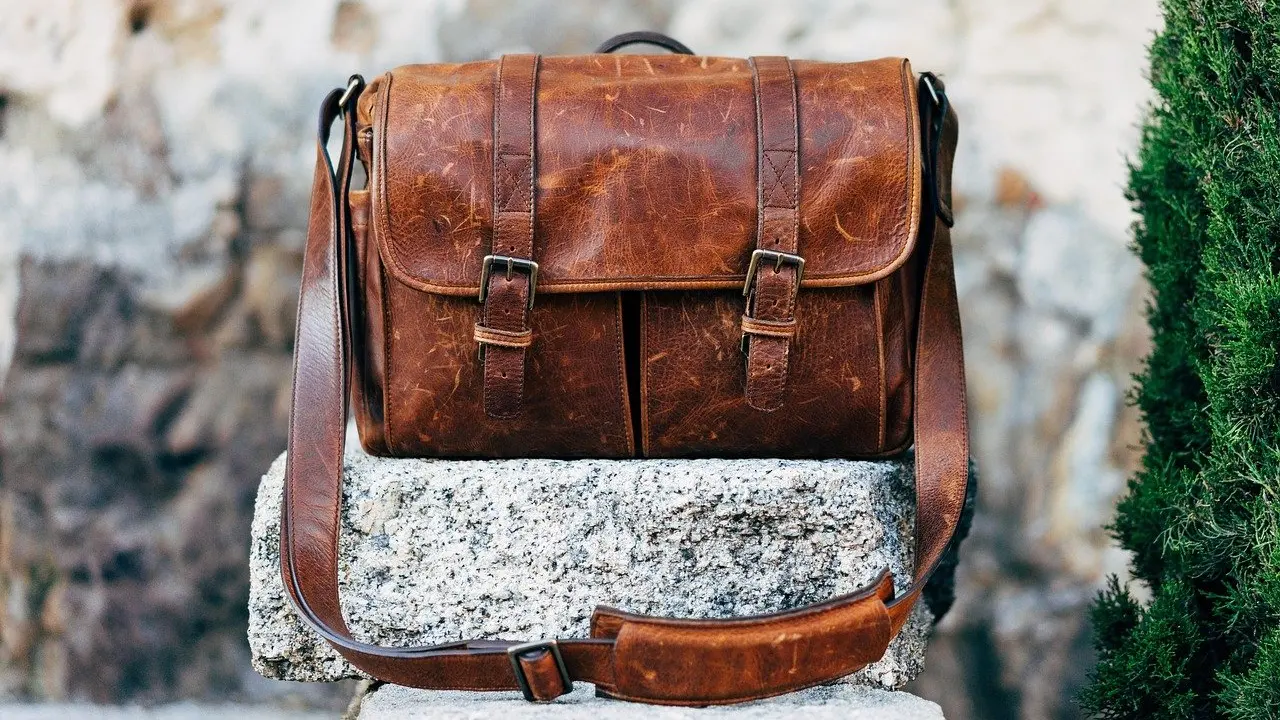
| Satchel | Rectangular, flap locked by a single or double buckle, long shoulder strap | Pick for a structured bag that carries essentials. |
| Hobo bag | Crescent shape, slouchy, lightweight, wider strap | Pick for a soft, relaxed outline. |
| Crossbody bag | Generally sits at the hip, may be slightly higher or lower | Pick for a body-worn carry at hip height. |
| Shoulder bag | One or two straps that fit under the arm, usually a zip or magnetic closure | Pick for a closed top on a shoulder strap. |
| Clutch bag | Small, no shoulder straps, formal or evening use | Pick for dressed-up occasions. |
| Bucket bag | Round base forming a cylindrical shape, open top | Pick for a rounded, cylindrical silhouette. |
These descriptions follow a bag-type guide and, for the satchel, a second category guide.
The main types of handbags are the tote, satchel, hobo, crossbody, shoulder, clutch and bucket bag, and each is named by its shape, its closure and how its strap is carried. Start with the strap and the top.
For the wider picture of bags alongside other accessories, see the fashion accessories guide. The sections below lead with what each choice means in use, then explain the construction that gives the bag its name.
Choosing a handbag type for everyday use
Roomy totes and hands-free crossbody bags are the everyday choices in a retailer’s bag guide, which lists shopping runs and commuting among their uses. That points to the two questions that settle most decisions: how much you need to carry, and whether your hands must stay free.
- Choose a tote for volume. Totes are large and soft with an open top, so they suit carrying more rather than securing it.
- Choose a crossbody for free hands. The strap crosses the body, which keeps the bag in place while you carry other things.
- Choose a satchel for essentials. Its structured, flapped body suits a smaller, more organised load.
- Choose a hobo for a soft, light bag. The slouchy crescent shape and wider strap give a relaxed look rather than a structured one.
- Keep a clutch for occasions. It is a formal or evening bag, so it is a second bag rather than a daily one.
Each type is defined in turn below, so you can name any bag you come across.
Tote, satchel and hobo bags
Tote bag
A tote bag is a large soft bag with an open top and simple rectangular construction, as described in the bag-type guide. Its straps are short or shoulder-length and are usually double. Because the top is open, a tote does not close the way a zip-topped shoulder bag does. If you want the contents enclosed, look at a shoulder bag instead.
Satchel
A satchel is a rectangular bag with a flap, described by a category guide as an iconic bag for carrying only essentials. The flap is locked by a single or double buckle, and a long strap lets you carry it on the shoulder.

The difference between a satchel and a tote comes down to closure and capacity. Both are rectangular, so look at the top first. A satchel has a buckled flap and is associated with essentials. A tote is large, soft and open. Choose the satchel when you want structure and a fastened flap, and the tote when you want room.
Hobo bag
Hobo bags are usually a crescent shape, slouchy and lightweight, with a wider strap. The soft body is the opposite of the satchel’s structure, so the hobo suits anyone who prefers a bag that gives and slouches rather than one that holds a fixed outline.
Crossbody and shoulder bags
The difference between a crossbody and a shoulder bag is the strap and how it is worn. A crossbody has a longer strap that lets the bag be worn across the body, resting on the opposite hip. A shoulder bag has one or two straps that fit under the arm, and unlike a tote it usually closes with a zipper or magnetic closure.

Strap length can blur the line. A crossbody with a shortened strap wraps across the body so that it tucks neatly under the arm, which brings it close to shoulder-bag placement. Decide by how you want to carry it. Pick a crossbody for hands-free wear, and a shoulder bag when a closed top on a strap matters more. For styling ideas, see how to wear a crossbody bag.
Clutch and bucket bags
What is a clutch bag?
A clutch bag is a small bag with no shoulder straps, made for formal or evening use. Without a shoulder strap, you carry it in the hand or under the arm, which suits dressed-up occasions where a bag should stay small.

For daily use a clutch is a poor main bag, so pair it with a tote or crossbody and switch to the clutch for evenings.
Bucket bag
Bucket bags have a round base forming a cylindrical shape, with an open top. That round base is the quickest way to tell a bucket from a tote, which has a simple rectangular build. Choose it when you want a rounded silhouette rather than a boxy one.
Reading straps, closures and hardware
Bags vary by fabric, leather, trims and hardware, and a shop may also group them by strap length, closure and whether they have pockets. For naming purposes, three checks do the work.
- Check the strap. No shoulder strap points to a clutch. A long strap worn across the body points to a crossbody. One or two straps that fit under the arm point to a shoulder bag. Double short or shoulder-length straps point to a tote, and a wider strap on a slouchy body points to a hobo.
- Check the top. An open top fits a tote or bucket. A flap locked by a buckle fits a satchel. A zipper or magnetic closure fits a shoulder bag.
- Check the outline. Rectangular suggests a tote or satchel, crescent a hobo and cylindrical a bucket.

Combine the checks and almost any bag resolves to one name. When a bag fits two, such as a flapped bag on a long strap, the closure usually gives the more specific name.
Frequently asked questions
Can a clutch bag have a strap?
Yes, but only a wrist strap. A clutch has no shoulder straps, so a wrist strap keeps it with you without turning it into a shoulder bag.
How do shops group handbags?
Shops may categorise bags by strap length, closure and even whether they have pockets. Descriptions also vary by fabric, leather, trims and hardware.
Do tote bags have one strap or two?
Totes usually have double straps, either short or shoulder-length. That pair of straps, together with the open top, helps distinguish a tote from a single-strap hobo.